Assistant Professor of Religion | Board-Certified Chaplain | Niswiyya Eco-Theologian | Interfaith Leader
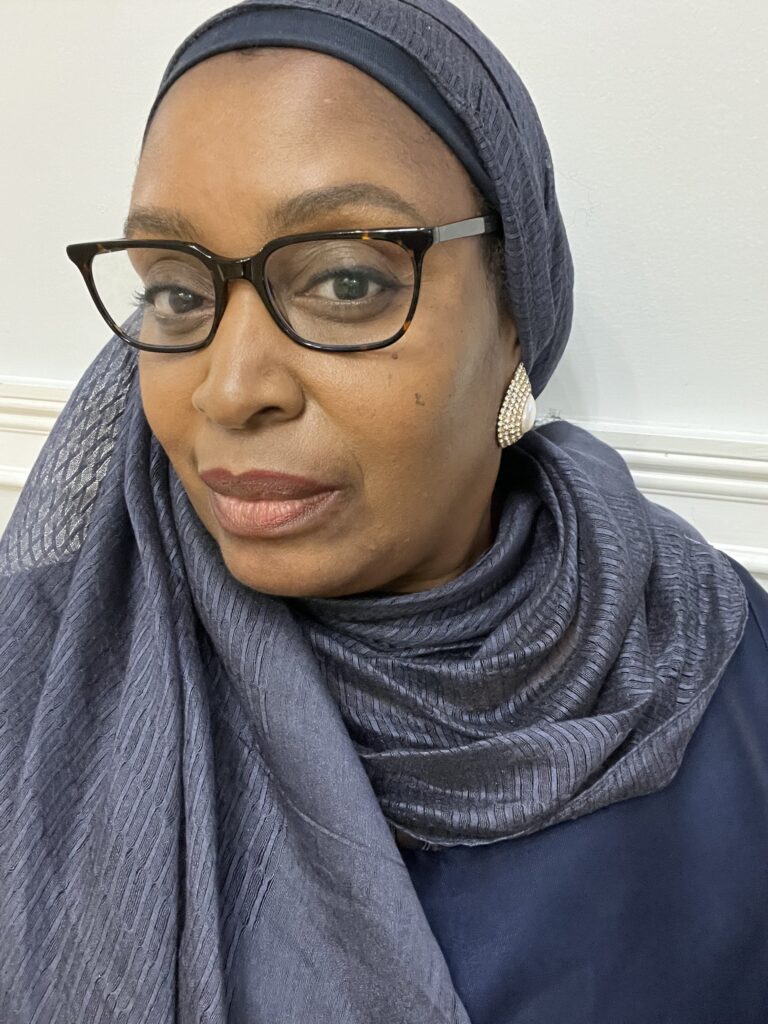
Dr. Kai Horn El-Amin is a dynamic scholar-practitioner whose work resides at the intersection of religion, ecology, and justice. Currently serving as an Assistant Professor of Religion at Lane College, she brings over a decade of experience in spiritual care, community engagement, and interdisciplinary research. A Board-Certified Chaplain and recent graduate of Bayan Islamic Graduate School at Chicago Theological Seminary (MA, Islamic Studies, and Leadership), Dr. El-Amin is among the leading voices in emerging Niswiyya (Arabic Womanist) eco-theology.
Her award-winning thesis, Deconstructing Pastoral Theology: Umm al-Umma ʿĀʾisha bint Abī Bakr al-Ṣiddīqa’s Spiritual Embodied Agency, pioneers a Niswiyya hermeneutic for reinterpreting classical Islamic texts through the lens of trauma-informed pastoral theology and Black feminist thought. Her academic inquiry centers on the lived experiences of Muslim women of color, engaging ecological spirituality, social anthropology, and multi-faith belonging.
Her current book project, Water in the Wilderness: Spiritual, Ecological, and Anthropological Dimensions of Human Survival, expands this work by exploring the ethical and theological implications of environmental justice through a sacred, interfaith lens. This manuscript and her associated research with Interfaith America (under review) contribute to a theology that is rooted in ecological resilience, spiritual care, and justice-seeking.
In addition to her scholarly work, Dr. El-Amin leads and participates in community garden initiatives that function as sacred spaces of sustenance and healing. These gardens serve as practical embodiments of her eco-theological commitments, fostering food sovereignty, environmental stewardship, and communal well-being, particularly in historically under-resourced neighborhoods. She views these spaces not only as sites of nourishment but as living classrooms where spiritual care meets ecological justice.
Dr. El-Amin has been recognized with several national fellowships, including the Katie Geneva Cannon Preaching Fellowship, the Interfaith America Teaching Award, and the Tri-Faith Interfaith Fellowship. As a member of the Katie Geneva Cannon Womanist Leadership Cohort, she is currently developing Threads of Transformation: Women Weaving Resilience in Interfaith Spaces, a program that nurtures intergenerational healing and leadership among women and families across diverse faith traditions.
Through rigorous scholarship, public theology, and community-rooted praxis, Dr. El-Amin advances an embodied, liberatory model of religious engagement—one that centers marginalized voices, promotes ecological justice, and reimagines sacred traditions as tools for healing, equity, and transformation.
.
About
THE PROGRAM
Conceptual Categories
(Core Values & Beliefs)
Multiculturalism welcomes diversity and inclusivity. It allows individuals of
different religious backgrounds to come together and share their beliefs
and practices in a respectful and understanding environment. This can
lead to greater tolerance and acceptance of different cultures and
religions, which can ultimately lead to a more peaceful and harmonious
society. Additionally, multiculturalism can help to dispel stereotypes and
misconceptions about different religions and cultures, which can foster
greater understanding and mutual respect.
Spirituality allows individuals to explore deeper aspects of their own
beliefs and practices, and can also provide a sense of connection and
community with others who may have different beliefs. Spirituality can
also play a role in promoting values such as compassion, empathy, and
understanding, which are important for fostering a sense of unity and
cooperation within the interfaith community. Additionally, spirituality can
also provide a sense of purpose and meaning, which can be especially
important for individuals who may be seeking a deeper sense of
connection to something greater than themselves.
Social education provides understanding and acceptance of different
religious beliefs and practices. It can also help to break down stereotypes
and prejudices, and foster a sense of community and mutual respect
among people from different faith backgrounds. Additionally, social
education can be used to promote dialogue and cooperation between
different religious groups, which can be beneficial for both individuals
and society as a whole.
Unity establishes a sense of belonging and mutual respect among
people from different faith backgrounds. It can also help to break down
barriers and stereotypes and foster cooperation and understanding
among different religious groups. Unity can also be beneficial for society
as a whole by promoting peaceful coexistence and reducing the
potential for conflicts based on religious differences. Additionally, a
united interfaith community can be a powerful force for positive change,
working together to address social issues and promote the common
good.
Using the SEED program conceptual categories as an anchoring framework for the discussion, this program explores ideas from and experiences of people and communities over and across time, in order to adapt, critique, and apply discoveries and insights to specific collective needs.
Organized by the SEED Programs Conceptual Categories disciplinary framework, we will:
1. Promote understanding and acceptance of different
religious beliefs and practices.
2. Help to break down stereotypes and prejudices.
3. Foster a sense of community and mutual respect among
people from different faith backgrounds.
4. Promote dialogue and cooperation between different
religious groups.
5. Can be beneficial for both individuals and society as a whole.
6. Encourage peaceful coexistence and reduces potential for
conflicts based on religious differences.
7. Can be a powerful force for positive change, working together
to address social issues and promote the common good.
8. Provide a platform for interfaith education and learning
opportunities.
9. Encourage individuals to appreciate the richness of different
religions and cultures
10. Can help to build a more inclusive and harmonious society.
DISCOVER IF INTERFAITH IS THE RIGHT APPROACH TO UNITE YOUR COMMUNITY
The SEED Program SM by Kai components are interconnected in that the entire project’s premise is based on social and environmental justice engaged in a pluralistic worship model creating modules of social education to include call to worship, prayer and liturgy for the sacraments.